What are sealing strips?
In recent years, an increasing awareness surrounding energy efficiency and sustainability has spotlighted often-overlooked elements in home construction and repair: sealing strips. These seemingly simple strips have emerged as unsung heroes in the battle against energy wastage, and they are crucial for homeowners and industries striving to enhance their efficiency. In this extensive guide, we will explore the various types of sealing strips, their applications, the installation process, and their significant impact on reducing air and water leaks.
Understanding Sealing Strips: Types and Applications
Sealing strips are flexible strips made from various materials designed to close gaps and joints in both commercial and residential settings. Their primary function is to prevent the passage of air, water, dust, and pests through openings like windows, doors, and even ducts.
1. Types of Sealing Strips
Weatherstripping: Used primarily for doors and windows, weatherstripping materials come in various forms, including foam, V-strip, felt, and rubber. Each type possesses unique properties suited for specific uses, such as resilience to temperature change or durability against wear.
Door Bottoms: Door bottom sealing strips are installed at the bottom of doors to prevent drafts and water intrusion. They are often made from materials similar to weatherstripping and can be found in adjustable designs.
Frame Seals: These are used around the frames of windows and doors to create an airtight seal. Commonly made from materials like vinyl or rubber, frame seals play a pivotal role in energy conservation.
Duct Seals: For HVAC systems, duct sealing materials like mastic or metallic tape are crucial for ensuring that conditioned air travels efficiently through ducts without leaks that waste energy and elevate utility costs.
2. Applications in Homes and Industries
Residential: In homes, effective sealing strips can significantly enhance energy efficiency, lower heating and cooling costs, and improve overall comfort. Particularly during extreme weather conditions, proper sealing can maintain indoors' thermal integrity.
Commercial: For industries with large facilities, sealing strips are vital for operational efficiency. They help maintain controlled environments in warehouses or manufacturing settings, especially in climate-sensitive areas, and assist in protecting sensitive equipment from dust and moisture.
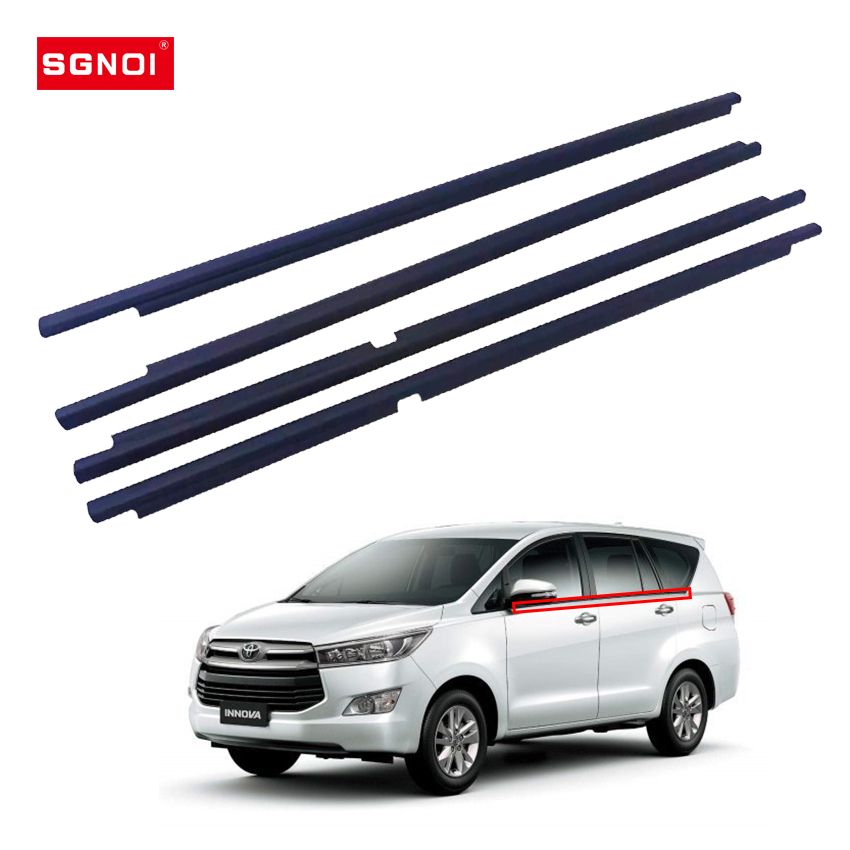
Automotive: Sealing strips are integral to the automotive industry, where they help reduce noise, vibrations, and ensure effective environmental sealing.
The Market for Sealing Strips: Current Trends and Hotspots
The increasing focus on energy efficiency and sustainable building practices has led to significant growth in the sealing strip market. Various factors contribute to this surge:
Sustainability Initiatives: With governmental bodies promoting environmentally friendly practices, many are investing in home and building improvements that include sealing strips. This shift encourages manufacturers to produce products that meet or exceed energy efficiency standards.
Advanced Materials: Innovations in material science have led to the development of advanced sealing strips that provide enhanced durability and effectiveness. The use of eco-friendly materials has attracted environmentally conscious consumers and industries.
DIY Movement: A massive increase in the DIY culture means more homeowners are looking for ways to tackle home improvement projects themselves, leading to a surge in demand for easily installed sealing solutions.
Smart Technology: The rise of smart homes, featuring advanced HVAC systems and automation, coincides with the increased use of sealing strips. These systems often require a precise and reliable sealing mechanism to function optimally.
Installation Tips for Effective Use
For both DIY enthusiasts and professionals, understanding how to properly install sealing strips can maximize their effectiveness. Below are some crucial tips:
Assess Gaps: Before installation, conduct a thorough assessment of gaps around windows, doors, and other openings. Use a flashlight at night to illuminate gaps. If you see light coming through, it’s an indication of a potential air leak.
Choose the Right Material: Selecting the appropriate sealing strip for the specific application is imperative. For example, foam insulating strips might be suitable for your windows, whereas rubber might be ideal for exterior doors.
Clean the Surface: Before applying sealing strips, make sure to clean the surfaces thoroughly. Removing old adhesives, dirt, and oils will allow the new sealing strips to adhere properly.
Measure Accurately: Use a measuring tape to accurately gauge the length needed for each strip. Precise measurements ensure that gaps are sealed efficiently without overlappings that can create new gaps.
Follow Manufacturer Guidelines: Each product may come with specific installation instructions. Following these recommendations will ensure maximum effectiveness.
Regular Maintenance: Over time, weatherstripping and seals can deteriorate. Regularly inspect and replace worn or damaged strips to maintain optimal energy efficiency.
The Benefits of Sealing Strips: Energy Efficiency and Comfort
Investing in sealing strips can yield numerous benefits beyond just sealing gaps. Some significant advantages include:
Energy Efficiency: Sealing gaps reduces the workload on HVAC systems, which translates to lower energy consumption and costs. A home that maintains its desired temperature more easily is far more energy-efficient.
Comfort and Quality of Life: Improved insulation leads to a more stable indoor temperature, contributing to overall comfort. This stability can be particularly advantageous for those in regions with extreme weather.
Pest Prevention: Sealing gaps helps keep insects and small animals outside, protecting your home from unwanted creatures.
Noise Reduction: Certain sealing strips can also reduce noise from outside, creating a quieter and more serene indoor environment.
Extended Lifespan of HVAC Systems: By preventing excessive strain on heating and cooling units, sealing strips can help extend the life of these appliances.
Environmental Impact: Reducing energy consumption not only saves money but also decreases the carbon footprint of homes and industries, contributing positively to broader sustainability efforts.
Conclusion
In today's market, where energy efficiency is not just a trend but a necessity, sealing strips have taken center stage as essential components in maintaining and enhancing energy performance. From preventing air and water leaks to contributing to the overall comfort of environments, sealing strips present multifaceted benefits for both homeowners and industries alike.
The rise in demand, driven by sustainability initiatives, innovations in materials, and an enthusiastic DIY culture, is only expected to grow. Whether you're planning a new installation or seeking to update existing seals, understanding the types available and their proper application will prove invaluable.
As the focus on creating more energy-efficient and sustainable communities intensifies, sealing strips are primed to play a crucial role, proving that sometimes, small improvements can lead to significant changes. Embracing this knowledge helps you become not only a better DIY enthusiast or professional but an active participant in the global movement toward sustainability and energy efficiency.

评论
发表评论